The Oral-Gut Connection: Why Microbiome Matters!

The gut microbiome is now recognized as a central regulator of immunity, inflammation, metabolism, and chronic disease—and its relevance extends directly into dentistry.
For decades, gut health was primarily associated with gastroenterology and nutrition. Today, that perspective has evolved. The gut microbiome is now recognized as a central regulator of immunity, inflammation, metabolism, and chronic disease—and its relevance extends directly into dentistry.
The mouth is not separate from the rest of the body; it serves as the entry point to the gastrointestinal system. What happens in the mouth can have downstream effects that influence overall health. Consequently, for dental professionals, understanding the microbiome is no longer optional—it is essential.
Understanding the Microbiome
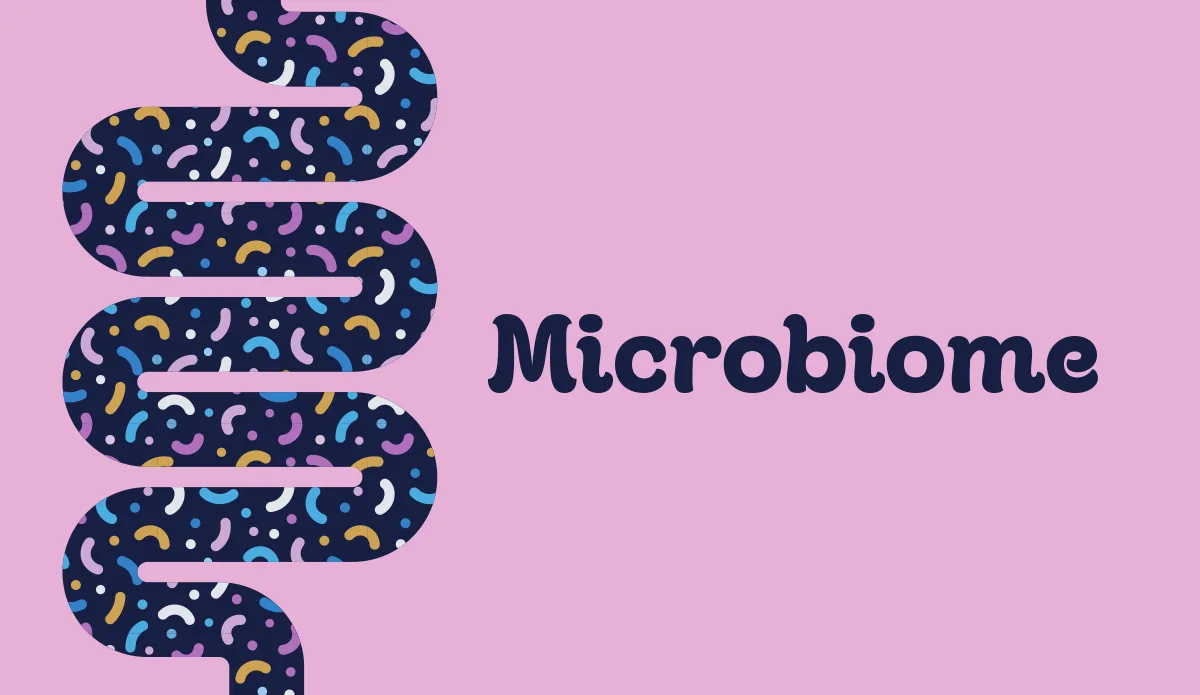
The gut microbiome consists of trillions of bacteria, viruses, and fungi that primarily live in the intestines. These organisms play active roles in human physiology by supporting digestion, producing essential vitamins, regulating immune responses, and influencing hormonal signaling.
A healthy microbiome is characterized by diversity and balance. When this balance is disrupted—a state known as dysbiosis—the consequences can be far-reaching. Dysbiosis has been linked to various health issues including cardiovascular disease, type 2 diabetes, autoimmune conditions, obesity, mood disorders, and even cognitive decline.
This is where dentistry becomes increasingly relevant.
Every day, billions of oral bacteria are swallowed and introduced into the gut. In a healthy system, this process is well-regulated. However, when oral disease is present—particularly periodontal inflammation—the composition of those bacteria shifts.
Pathogenic oral microbes can begin to dominate and, when repeatedly introduced into the digestive system, alter the gut microbial balance. Research from leaders like Alessio Fasano and Rob Knight continues to show how microbial disruption contributes to systemic inflammation and disease.
This relationship, often referred to as the oral–gut axis, highlights a critical point: oral health directly influences gut health, and vice versa.
A Common Thread: Inflammation
Inflammation serves as a link between periodontal disease and gut dysfunction.
An imbalanced microbiome increases the production of inflammatory molecules that circulate throughout the body. These can exacerbate gingival inflammation, impair tissue healing, and reduce the stability of dental treatment outcomes.
At the same time, chronic periodontal inflammation contributes to the body’s overall inflammatory burden, placing additional stress on the gut.
This creates a bidirectional cycle:
- Oral inflammation contributes to gut dysfunction
- Gut dysfunction amplifies oral disease
Breaking this cycle improves both local and systemic health.
Intestinal Permeability and Systemic Impact
One of the most significant developments in microbiome research is the concept of intestinal permeability, often referred to as “leaky gut.”
When the intestinal barrier is compromised, bacterial toxins and undigested particles can enter the bloodstream. This triggers immune activation and chronic inflammation, which may present clinically as fatigue, joint pain, skin conditions, and increased inflammatory responses in the oral cavity.
Several factors contribute to leaky gut, including poor diet, chronic stress, sleep deprivation, alcohol use, medications such as NSAIDs, infections, and ongoing dysbiosis.
For dental professionals, these systemic patterns often show up as persistent inflammation, delayed healing, and unpredictable treatment outcomes.
Why This Matters
Dentists routinely manage biofilm and inflammation—two of the most important drivers of microbiome health. This places them in a unique position within the healthcare system.
Recognizing signs of imbalance, understanding the oral–gut connection, and educating patients about the broader implications of oral health can elevate dentistry's role from isolated care to whole-body health support.
The future of dentistry is moving toward a more integrated, biologically informed model. Advances in microbiome research and diagnostics will continue to shape how clinicians assess risk, plan treatment, and support long-term health.
At the center of that evolution is the microbiome.
If You Want the Full Picture
This article touches on one corner of a much bigger conversation: the nutritional deficiencies hiding in routine bloodwork, the inflammatory markers that explain why some patients don't heal, and the practical referral and communication tools that turn an interesting idea into a working part of your clinical day.
That's exactly what Dr. Hugh Coyne and I teach in our 3-part live course, Dentistry & Whole-Body Health. Session 1, Hidden Signals, is the deep dive on blood work in dentistry, the oral microbiome, and oral and systemic inflammation. You'll leave with a vitamin D guide, a CBC interpretation guide, an HbA1c clinical guide, and referral letter templates ready to use.
The full series is 9 CE credits across three live sessions, each with 30-day recording access.
About the Author

Dr. Lucy Hooper
London, England